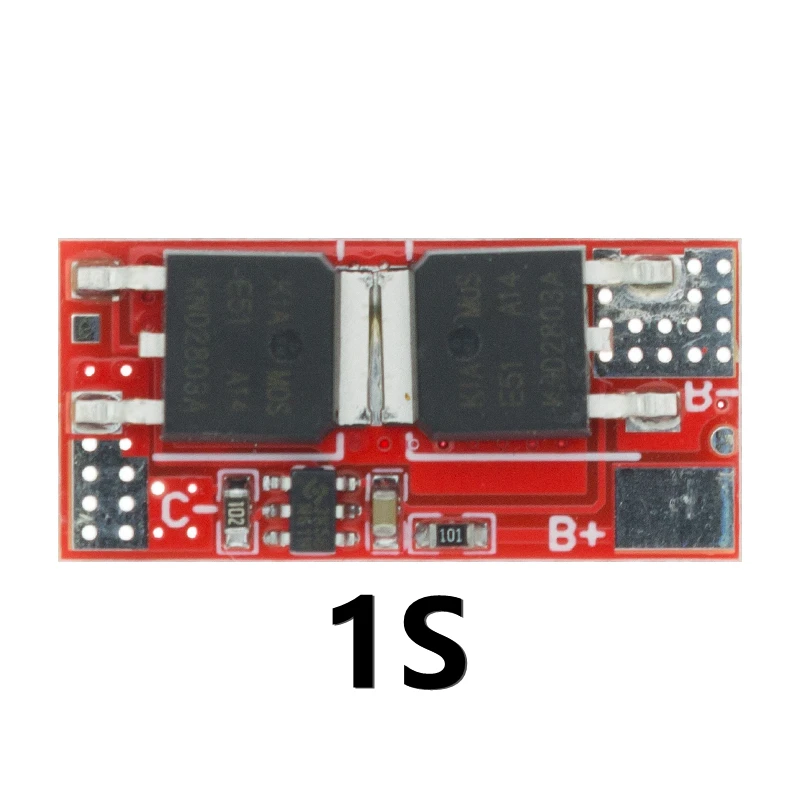
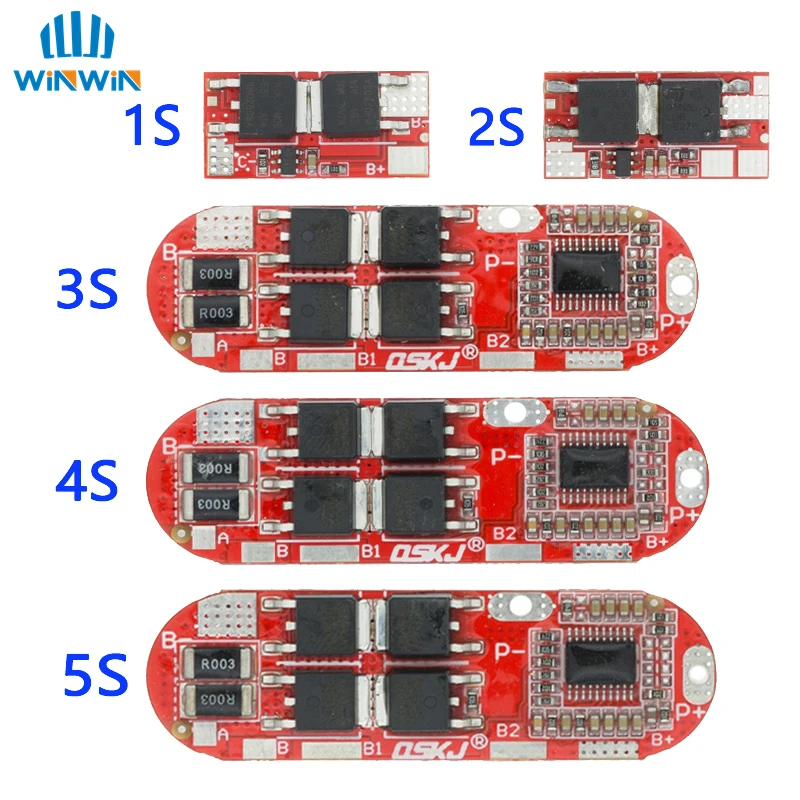
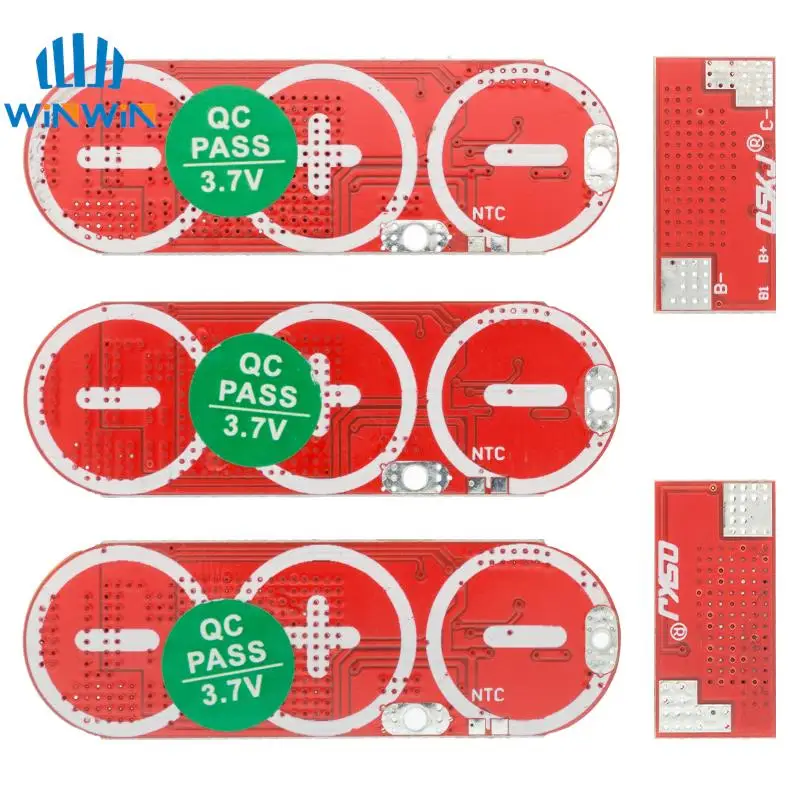
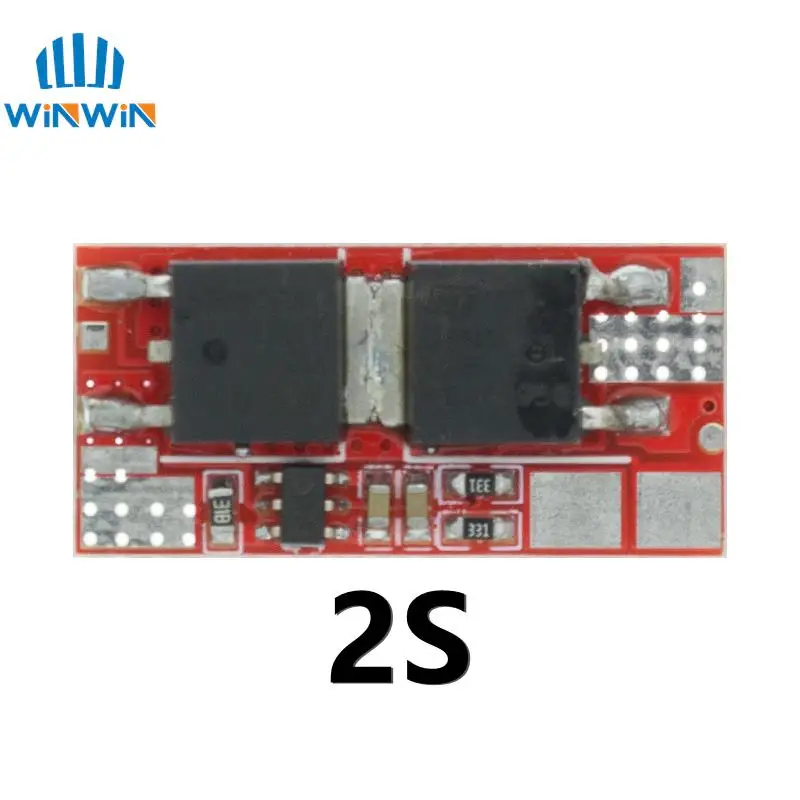
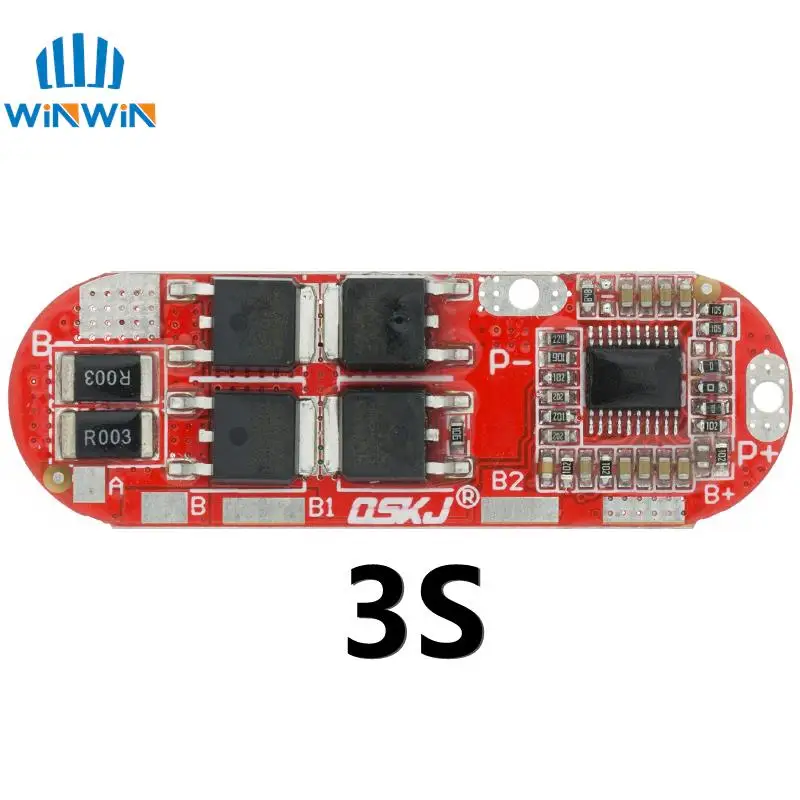
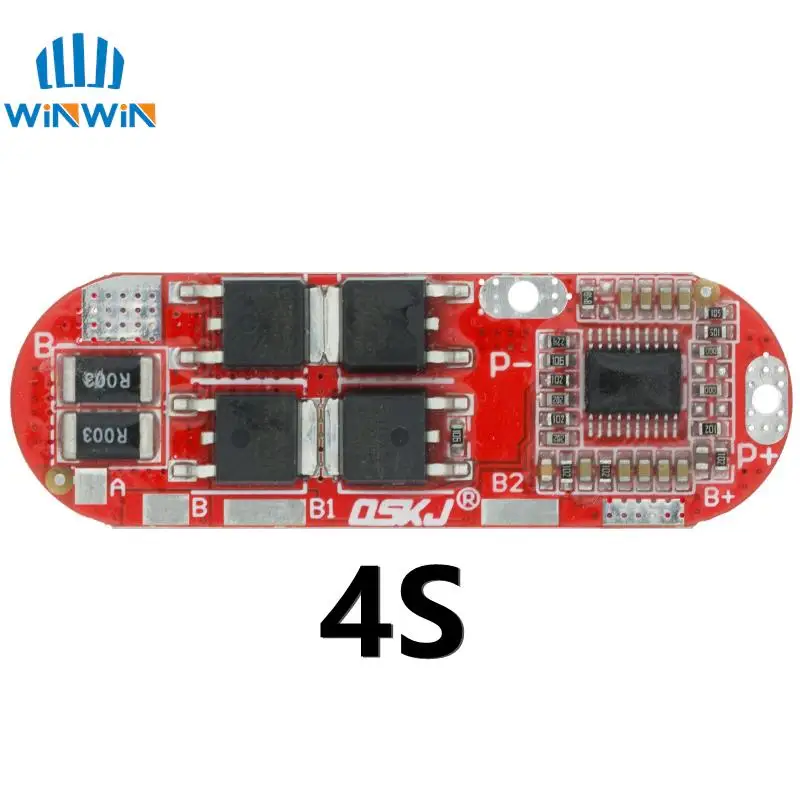
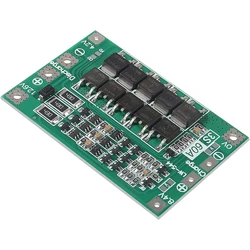
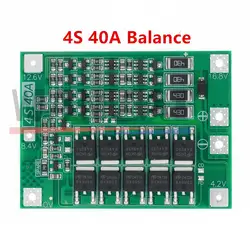
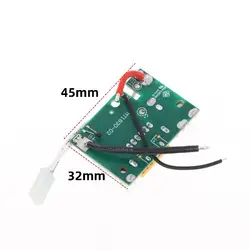
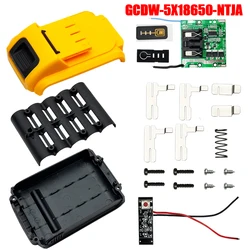
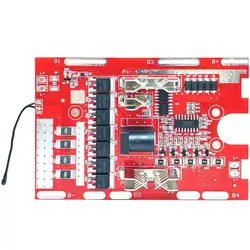
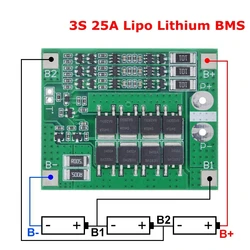
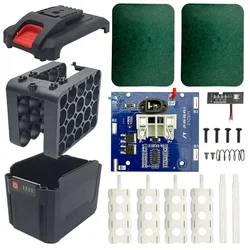
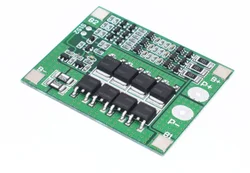
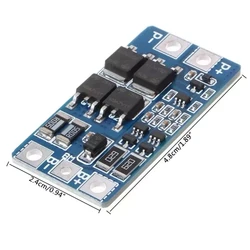
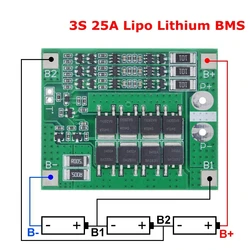
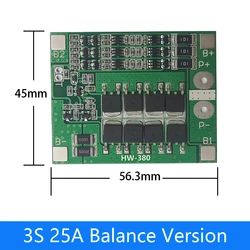
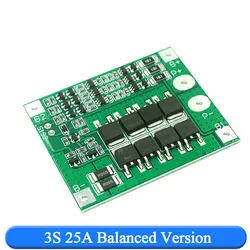
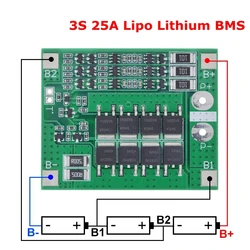
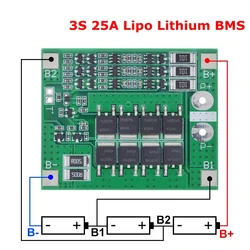
🛡️ BMS Battery Protection Circuit Board Module
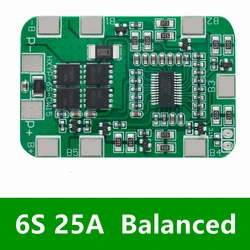
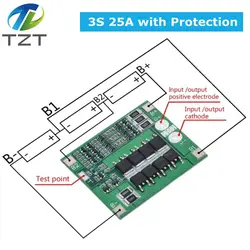
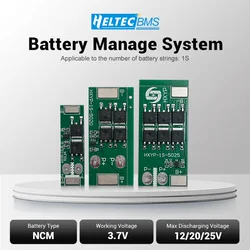
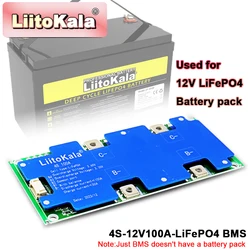
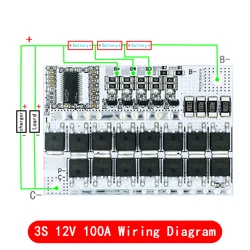
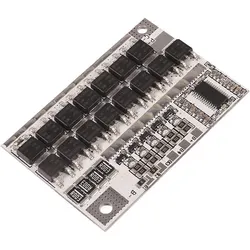
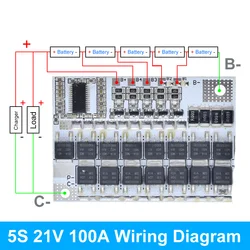
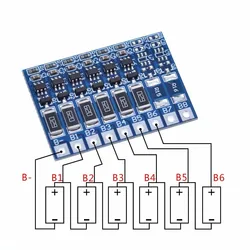
🧩 Enhance the safety and efficiency of your lithium battery system with our BMS (Battery Management System) Protection Circuit Board Module. Designed specifically for Li-ion, Lipo, and lithium polymer batteries, this circuit board provides a comprehensive solution for battery protection across multiple configurations.
🔧 Key Features:
- Versatile Compatibility: Compatible with Li-POLYMER and LiMnO battery types, ensuring reliable performance at nominal voltages of 3.6V to 3.7V.
- Overcharge Protection: Designed to prevent battery overcharging with a protection voltage range of 4.23V to 4.28V, and a recovery voltage between 4.08V and 4.18V.
- Over-discharge Protection: Safeguards against deep discharging by activating at voltages between 2.72V and 2.88V, with recovery points from 2.9V to 3.1V.
- Current Handling: Handles overcharge and over-discharge currents up to 60A, providing robust protection for high-demand applications.
- Temperature Safety: Integrated temperature protection ensures that the battery operates within safe temperature limits.
- Short Circuit Protection: Features a quick response to short circuits, with a delay of 100μs to 600μs for reliable protection.
- Durable and Reliable: The BMS modules are equipped with disconnect protection, ensuring the system remains safe in case of faults.
- Charging and Discharging Current: Optimal charging current rated at 25A supports efficient charging, while a discharging current of 25A accommodates significant power draw.
- Charging Voltage Specifications: Specific voltages for different configurations: 12.6V for 3S, 16.8V for 4S, and 21V for 5S BMS boards.
🛡️ Available in various current ratings, including 10A and 25A modules, our BMS circuit boards ensure that your battery systems are not only protected but also operate efficiently, optimizing both lifespan and performance.
🛡️ With this advanced protection circuit technology, you can confidently integrate it into your battery systems for applications ranging from consumer electronics to electric vehicles.